

CO2 Laser Cutters
See an enclosed CO2 laser platform and the coordinated motion, cooling, air-assist and extraction systems used around it.
PakMEC designs and supports CO2 laser cutters, CNC routers, commercial 3D printers, diode laser engravers, 5-axis CNC machining centers and desktop injection molding machines for makers, workshops, labs and production teams in Multan and across Pakistan.
Select a platform to see the typical architecture PakMEC can adapt to your workspace, material, throughput and production need.
Develop an enclosed CO2 laser cutter around the working area, materials and throughput you need - from compact hobby systems to larger commercial platforms. Motion, laser source, cooling, air assist and extraction are engineered as one coordinated system.
Build a rigid, serviceable CNC router for signs, furniture, cabinetry, molds, prototypes and configuration-appropriate light machining. The frame, drive system, spindle, workholding and controls are matched to the intended work.
Create a robust FDM/FFF printer for daily prototyping, jigs, fixtures and short-run parts. Print volume, kinematics, extrusion, thermal management and firmware are selected together for repeatable, maintainable operation.
Build a compact diode laser platform for detailed engraving and material-dependent light cutting. Work area, optical output, focusing, air assist and motion are matched to the material and finish you want.
Develop a compact 5-axis CNC platform for complex geometry and multi-face machining, using indexed 3+2 positioning or simultaneous 5-axis motion according to the application, controller and accuracy target.
Create a compact injection molding platform for prototype and small-batch thermoplastic parts. Shot volume, clamping force, mold size, heating and control are defined around the part and polymer.
Explore real cutting, routing, printing, engraving, multi-axis machining and molding examples, then choose the platform that fits your material, work area and output.
See an enclosed CO2 laser platform and the coordinated motion, cooling, air-assist and extraction systems used around it.

Watch a rigid gantry router handle practical workshop production with an integrated frame, spindle, motion and control system.

See production-focused FDM printing for daily prototypes, fixtures and short-run parts with repeatable setup and monitoring.
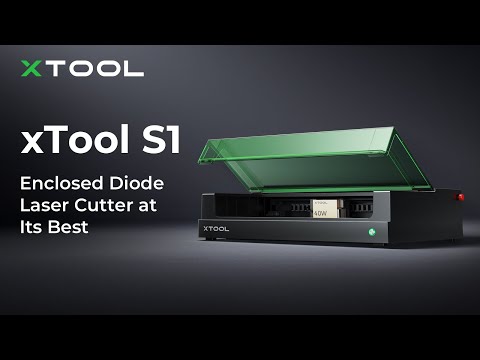
See a compact enclosed diode system engrave detailed work with coordinated focus, motion, air assist and extraction.

See how linear and rotary axes work together for multi-face machining, indexed 3+2 positioning and complex geometry.

See a benchtop molding machine produce small thermoplastic parts using controlled heating, injection and clamping.
Share the material, work area, expected output and budget so PakMEC can review the right machine architecture.
PakMEC connects mechanical design, electronics and controls so your DIY machine is easier to build, diagnose, maintain and improve.
Frame, assemblies and part relationships planned before fabrication begins.
Motion, loads, power and interfaces checked as a complete architecture.
Controllers, drivers, sensors, power and cable paths mapped clearly.
Configuration and operating logic prepared for the selected platform.
A practical sequence for assembly, wiring, checks and calibration.
Engineering support at the moments where a build usually gets stuck.
The build is defined around what you want the machine to do—not around a random catalogue of components.
Share the material, work area, process, accuracy target, budget and the experience level of the builder.
PakMEC proposes the frame, motion, tooling, electronics and control approach that best fits the job.
Agree the machine configuration, engineering deliverables, fabrication path, integration needs and support checkpoints.
Follow the build sequence, verify every axis and complete the electrical safety checks.
Configure the machine, validate motion and complete a controlled first test before real work begins.
A PakMEC machine is designed so the builder can see how it works, service what wears and upgrade what the next application demands.
Good DIY engineering creates practical capability, not just a one-time project.
Critical parts stay accessible for inspection, adjustment and replacement.
Subsystems can evolve without forcing a complete rebuild.
Files and references explain the machine after the first build is complete.
Still deciding which platform fits? PakMEC can review your material, work area, output and budget before the machine scope is fixed.
Ask PakMECTell PakMEC what you need to cut, route, print, engrave, machine or mold. We will review the material, work area, output and budget, then recommend the right platform and project scope.